English
 Arabic
 French
 Spanish
 Portuguese
 Deutsch
 Turkish
 Dutch
Dutch
 Italiano
 Russian
 Romaian
 Portuguese (Brazil)
 Greek
Greek

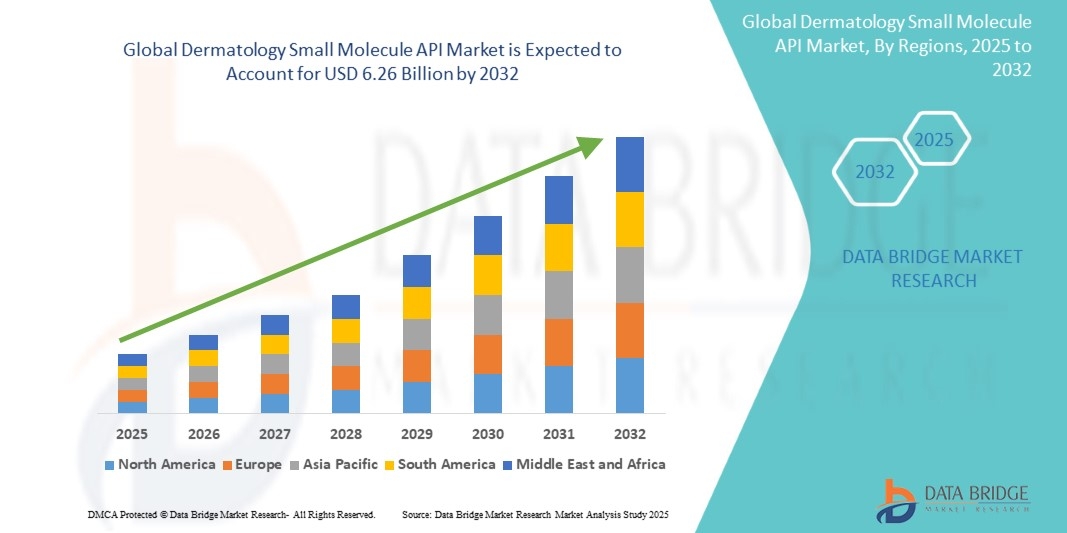
Dermatology Small Molecule API Market Size, Share, Trends, Growth & Forecast Explained
Other |
2025-11-10 11:48:16
The calculation of the Peripheral Artery Disease Market Size provides a critical metric for understanding the economic magnitude of this widespread circulatory condition. The market Size is measured not only by the annual revenue generated from the sale of diagnostic tools, endovascular devices, and pharmaceuticals but also by the immense global population affected by PAD, which forms the total addressable market. Affecting hundreds of millions worldwide, this patient pool ensures that the market Size has a robust and continuously expanding foundation. The key drivers increasing the measurable market Size include the escalating global prevalence of diabetes and hypertension, which directly translate into a higher volume of severe, intervention-requiring PAD cases. The substantial cost difference between the two primary treatment modalities—high-cost open surgical procedures and the rapidly increasing volume of high-value, minimally invasive endovascular procedures—plays a crucial role in determining the overall market Size valuation.
The market Size is heavily influenced by the adoption rate of advanced, premium-priced endovascular devices, such as Drug-Coated Balloons (DCBs) and advanced atherectomy systems. These devices carry a higher per-procedure cost than older technologies, significantly contributing to the overall market Size valuation, particularly in high-reimbursement regions like North America and Western Europe. Furthermore, the increasing number of procedures performed in Outpatient Endovascular Labs (OBLs) adds to the total market Size by making interventions more accessible and increasing procedural volume. While the undiagnosed patient population (estimated to be in the tens of millions) currently represents a gap, successful public health campaigns and improved diagnostic screening will eventually pull these patients into the treatment pipeline, further inflating the market Size dramatically over the long term. This robust financial Size underscores the Peripheral Artery Disease Market's position as a high-value sector driven by an inescapable global health crisis that necessitates continuous investment in diagnostic and therapeutic innovation.
FAQs