English
 Arabic
 French
 Spanish
 Portuguese
 Deutsch
 Turkish
 Dutch
Dutch
 Italiano
 Russian
 Romaian
 Portuguese (Brazil)
 Greek
Greek

From Culture to qPCR: Analyzing the Shift in Fungal Testing Kits Market Diagnostic Methodologies and Future Outlook.
Health |
2025-11-11 12:39:19
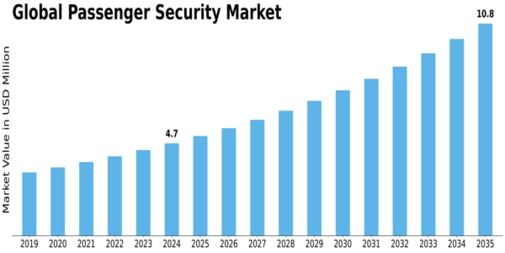
Transportation hubs around the world, including airports, railway stations, and metro systems, are increasingly investing in security systems to ensure the safety of millions of passengers daily. As threats evolve, authorities are seeking innovative solutions that not only prevent unauthorized access but also enhance operational efficiency. Passenger security systems now integrate advanced technologies such as AI-based monitoring, biometric identification, and automated threat detection to streamline security processes.
The Passenger Security Market is experiencing rapid growth as these technologies gain wider adoption. Modern systems are designed to maintain a balance between passenger convenience and safety, ensuring quick and efficient processing through checkpoints while effectively mitigating risks. These solutions are becoming indispensable in airports, metro stations, and other transit hubs where passenger volumes are continuously increasing.
Key Trends Shaping the Market
Several trends are influencing the growth of the passenger security market. AI-powered surveillance systems are being used to detect suspicious behavior, unattended baggage, and potential threats in real time. Cloud-based monitoring platforms allow centralized control, enabling authorities to monitor multiple sites simultaneously and respond promptly to emergencies.
Biometric technologies such as facial recognition and fingerprint scanning are enhancing identity verification and streamlining access control. Automated screening systems, including body scanners and advanced baggage inspection equipment, improve passenger throughput while maintaining strict security standards. Mobile integration allows travelers to complete self-check-ins, digital identity verification, and other security-related tasks before reaching checkpoints.
Market Applications and Growth Opportunities
Passenger security systems are deployed extensively across airports, railway stations, metro systems, and other public transport hubs. These systems enhance situational awareness, improve operational efficiency, and ensure compliance with international safety standards. Advanced analytics and surveillance tools help reduce human error while improving the ability to anticipate and prevent security threats.
The market growth potential is significant as technological innovations continue to emerge. Increasing passenger traffic, evolving security threats, and regulatory requirements are driving investments in smart security solutions. Authorities are expected to continue adopting advanced monitoring, biometric identification, and automated screening systems to maintain high levels of safety.
FAQs
Q1: What are the major technologies used in passenger security systems?
AI-powered surveillance, biometric identification, automated baggage screening, and access control mechanisms are widely used.
Q2: How do these systems improve passenger experience?
They reduce wait times, streamline security checks, and provide safe and efficient travel.