English
 Arabic
 French
 Spanish
 Portuguese
 Deutsch
 Turkish
 Dutch
Dutch
 Italiano
 Russian
 Romaian
 Portuguese (Brazil)
 Greek
Greek

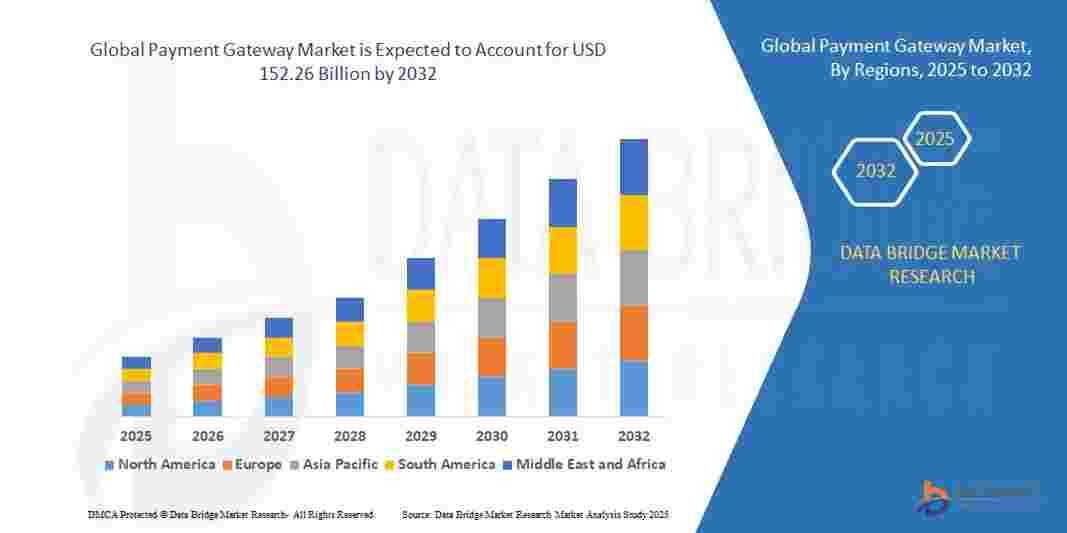
Payment Gateway Market Insights: Share, Size, Growth Trends & Forecast
Music |
2025-10-17 06:51:46
The **UK Spinal Cord Stimulator Market** operates under intense scrutiny regarding its cost-effectiveness, given the high upfront cost of the implantable systems within the publicly funded NHS. Consequently, the **Economic Outlook** for the market is entirely dependent on its ability to prove its value proposition: that the one-time, high-cost investment translates into significant long-term healthcare savings and economic benefits. The core of this argument rests on the device's ability to reduce chronic pharmacological expenses, dramatically cut down on costly hospital admissions and emergency department visits related to pain flares, and, most importantly, improve patient functionality leading to reduced dependency on public benefits and increased labor force participation.
Manufacturers actively commission and promote UK-specific health economic models that calculate the Quality-Adjusted Life Year (QALY) gain and demonstrate that SCS therapy is cost-effective according to established NICE thresholds. This economic evidence is vital for securing continued and expanded reimbursement. A positive economic outlook is therefore not derived from simple sales projections but from the validated conclusion that the technology is a fiscally responsible long-term investment for the NHS, rather than a mere expense. This focus on long-term value contrasts sharply with the short-term view of cheaper pharmacological interventions. The market’s financial health is secured by its ability to deliver verifiable health savings over a patient's lifetime. Tracking investment in health economic studies and the resulting changes in NICE guidance provides a clear view of the market’s underlying financial health. Detailed financial modeling of the full cost-benefit analysis provides the necessary evidence base for payor negotiations, which is the key output of a sound UK Spinal Cord Stimulator Market Economic Outlook. This rigorous economic validation ensures long-term viability.
Furthermore, the economic narrative is supported by data on reduced societal costs associated with chronic pain, such as lower reliance on opioids and reduced prevalence of co-morbidities (like depression and anxiety), which further lower the overall financial burden on the public health system.
In conclusion, the market's stability and future expansion are fundamentally secured by its proven economic viability. The ability of SCS to generate superior long-term outcomes while demonstrating a positive return on investment through reduced lifetime healthcare costs ensures its permanent, high-value position within the UK's resource-constrained healthcare environment.
Browse More Reports:
US Behavioral Health Services Market